2009년 10월 29일 목요일

대한민국에 던지는 엔센의 충고


"잊혀진 문화속에서 이야기를 만들고 100~500명의 이야기인재를 키워라" - 대한민국에 던지는 옌센의 충고


동화의 나라에서 ‘경영의 노스트라다무스’를 만나다 덴마크 미래학자 롤프 옌센


"잊혀진 문화속에서 이야기를 만들고 100~500명의 이야기인재를 키워라"
대한민국에 던지는 엔센의 충고

롤프 옌센의 드림소사이어티론은 주로 기업과 시장, 개인과 사회의 문제를 다루고 있다. 하지만 이를 국가 차원의 전략에 적용하려면 어떻게 해야 할까? 기자가 이에 대한 몇 가지 질문을 던지자 그는 "맞아, 과거 경제개발이 그랬듯, 한국인들은 국가 차원의 전략을 좋아하죠"라고 너털웃음을 터뜨리며 질문에 답했다.

― 드림소사이어티가 상정하는 사회는 부유한 선진국에서나 가능한 것 같은데, 개발도상국에는 어떻게 적용될 수 있나요?

"물질적 풍요를 누리는 광범위한 중산층의 출현은 분명히 드림소사이어티의 중요한 사회적 배경입니다. 물론 이런 중산층은 대부분 선진국에 많지요. 하지만 최근 중산층의 확대는 글로벌한 현상입니다. 중국이나 인도, 남미 국가들을 보면 국민의 다수가 여전히 가난한 상태이지만, 중산층의 수가 점점 늘어나고 있습니다. 단적으로 한국보다 중국의 중산층 수가 훨씬 많을 겁니다. 이 부유한 소비자들은 이미 드림소사이어티를 경험하고 있다고 볼 수 있겠죠.

따 라서 개발도상국이나 제3세계 국가의 기업들도 미리 대비해야 합니다. 이들은 대부분 내수시장에서 평범한 제품들을 만들고 있습니다. 우선 이런 틀을 깨려고 노력해야 합니다. 잘 찾아보면 분명히 자신들만이 갖고 있는 독특한 가치와 이야기를 발견할 수 있을 겁니다. 이를 어떻게 자신들의 상품에 녹여낼 수 있을지 고민해야 합니다. 국가적인 차원에서 보면, 관광 산업이 좋은 출발점이 될 겁니다. 어느 나라든 역사적 장소와 유물이 있고, 이와 관련된 풍부한 이야기들이 있습니다. 이것들을 어떻게 잘 개발해서 활용하느냐가 관건입니다."

― 만약 중국이 드림소사이어티의 단계로 들어서려면 얼마나 걸릴까요? 또 한국은 어디쯤 가 있습니까?

" 중국은 앞으로 20년은 걸릴 겁니다. 충분한 경제적 성장과 함께, 소비자들이 물질보다 감성적 가치를 소비할 준비가 되어 있어야죠. 중국은 아직 갈 길이 멀다고 할 수 있습니다. 하지만 벌써 수천만 명에 이르는 중국의 고소득층은 이미 드림소사이어티의 시대에 접어들고 있다고도 말할 수 있겠군요. 한국은 지금 드림소사이어티로 이행해 가는 과정에 있습니다. 소비행태, 라이프스타일 등 대부분의 면에서 그렇습니다."

― 드림소사이어티의 시대에 한국이 국가 경쟁력을 육성하려면 어떤 정책적 방법이 가능할까요?

" 우선 감성적 가치를 전달할 수 있는 이야기를 개발(story mining) 하세요. 이는 석유나 우라늄 같은 전략적 자원의 채굴만큼 중요합니다. 정체성과 고유 문화는 나와 남을 차별화할 수 있는 이야기들이 무궁무진한 보고(寶庫)입니다. 남의 이야기에 눈독을 들이기 전에 먼저 고유의 이야기부터 캐내 보세요.

한국은 지난 50여 년간 근대화·산업화·정보화를 단번에 이뤄내는 과정에서 고유의 문화적 유산들을 많이 잊어버린 것 같아 안타깝습니다. 바로 한국적인 뿌리와 문화입니다. 드림소사이어티로 성공적으로 이행해 가려면, 그 동안 잊어버리고 있던 것들을 다시 건져내야 합니다.

기업과 문화산업에서 활동할 수 있는 훌륭한 이야기꾼을 육성하는 것도 중요합니다. 나라 안에서 100~500명의 이야기 인재를 찾아 보세요. 이런 사람들은 분명 어딘가에 산재해 있습니다. 이미 훌륭한 이야기꾼들일 것이므로 별도의 교육을 시킬 필요는 없을 겁니다. 이들에게 충분한 경제적 지원을 해준다면, 새로운 이야기 자원을 끊임없이 창출하여 국가 경제에 큰 기여를 할 수 있을 겁니다."


[Cover Story] 동화의 나라에서 ‘경영의 노스트라다무스’를 만나다

덴마크 미래학자 롤프 옌센
이 할아버지의 상상은 곧 현실이 된다
힘만 세고 성실한 ‘마당쇠 직원’은 필요없다
“꿈꾸는 경영의 시대… 상상력으로 무장하라”

그래픽=김의균 기자 egkim@chosun.com

할 아버지들이 모두 옛날옛적 이야기만 하는 건 아니다. ‘드림소사이어티’를 꿈꾸는 이 미래학자의 예언은 늘‘족집게’였다. “노동력은 대체할 수 있어도 상상력은 대신할 수 없다. 감성으로 무장하라. 꿈꾸는 경영자만이 살아남는다.” 그렇다면… 한국의 삼성에겐 어떤 예언을 할까? “삼성의 위기는 더 큰 기회가 될 수 있다. 지금의 치명타를 ‘삼성답게’ 극복하라. 그러면 삼성은 또 다른 신화를 쓸 수 있을 것이다.”

덴마크 코펜하겐의 중심가 반드쿤스텐(Vandkunsten) 거리. 북유럽의 한기(寒氣)를 가득 머금은 겨울 비를 뚫고 이곳 6번지의 '드림컴퍼니(Dream Company)'를 찾아갔다.

북 유럽식 '오가닉(유기농)' 카페가 있는 아담한 건물 2층. 문을 두드리니 20대 후반의 젊은 남자 직원이 나와 기자를 맞았다. 말이 '컴퍼니(회사)'지, 흘끔 둘러보니 30여 평 남짓한 가정집. '기업의 미래 전략 컨설팅 회사'라는 홍보 문구에서 현대적 사무실을 연상했던 기자는 맥이 빠졌다.

보글보글 커피가 끓으며 구수한 향이 스며 나오는 서재가 미래학자 롤프 옌센(Rolf Jensen·65)의 사무실이었다. 반백의 머리에 분홍색 셔츠, 담배 파이프까지 물고 느릿하게 몸을 일으키는 모습은 영락없이 '할아버지 교수님'이었다.

인터뷰를 하겠답시고 수천 ㎞를 날아온 기자에게 그가 먼저 질문을 쏟아냈다. "요즘 한국은 별일 없나요? 세계적 대기업(삼성)이 검찰 조사를 받고 있다면서요?" 그는 한국에 대한 관심이 남달랐다. "한국이 나한테 관심이 많으니까요. (웃음) 한국은 워낙 역동적인 곳이라 계속 관심을 가져야 해요."

그의 사무실 벽은 그의 행적을 말해 주듯 아프리카와 미국, 남미, 동유럽 등 전 세계의 토산품으로 장식되어 있었다. 이 중 하회탈이 들어간 액자도 눈에 띄었다. "사무실이 너무 작은 것 같은데 괜찮은가"라고 물었다. "이게 드림소사이어티 시대의 기업이죠. 공간은 작지만, 우리 회사의 꿈은 세상을 모두 덮을 만큼 큽니다."

옌센은 2001년 덴마크 미래학 연구소 소장 자리에서 은퇴한 뒤 드림컴퍼니를 차렸다. 기업의 미래 전략에 대한 경영컨설팅이 주 업무. 대표인 자신과 비서 1명이 전직원이다. 그는 스스로를 '최고상상책임자(CIO·Chief-Imagination-Officer)'라고 부른다.

CIO라는 직함은 그가 1999년 주창한 '드림소사이어티(Dream Society)론'의 요체를 담고 있다. "MBA들이 지배하는 기계적 효율성의 기업은 점차 도태될 것이다. 미래는 꿈꾸는 경영자들의 시대다." 다시금 꿈과 감성이 지배하는 세계가 되돌아오고 있기 때문이다. 옌센은 "가난과 배고픔이 사라진 세계에서 소비자들은 재미와 스릴, 사랑, 윤리적 자부심 같은 정서적 만족을 원하고 있다"고 주장한다.

지난 세기에 그가 '미래'라고 지칭했던 시대는 현실이 되고 있다. 옌센이 다시금 주목받고 있는 것도 이 때문이다. 옌센은 "미래의 기업은 소비자에게 차별화된 감성적 경험(emotional experience)을 제공함으로써 가치를 창출한다"고 예언했다. 지금 글로벌 시장에서 성공을 거둔 기업들은 옌센의 기대에 충실히 부응한 회사들이다. 애플의 아이팟, 스타벅스의 까페라테, 도요타의 렉서스, 삼성전자의 휴대폰을 생각할 때 소비자들은 뚜렷한 이미지를 떠올린다. 세계 시장을 제패한 이들 상품에는 그것만의 독특한 경험과 이야기(story)가 있는 것이다. 옌센은 "그 이야기들은, 다름 아닌 그 기업과 경영자들의 꿈이 체화(體化)한 것"이라고 했다.

다른 기업들과 차별화된 가치관과 비전(vision)을 제시하고, 이를 기업의 모든 구성원과 공유해 가는 것이야말로 옌센이 말하는 경영인의 가장 큰 역할이다. 심지어 소비자까지 기업의 비전을 믿게 만드는 경영자가 있다. 옌센은 "이들이야 말로 이 시대의 가장 위대한 경영자"라고 말했다.

옌센은 시대가 배출한 '꿈꾸는 경영자'로 애플의 스티브 잡스(Jobs), 영국 버진 그룹의 리처드 브랜슨(Branson) 회장을 꼽았다. "우리는 어느 순간 그들의 꿈과 열정에 사로잡혔습니다. 그들이 창조한 새로운 라이프스타일에 동참하기 위해 기꺼이 돈을 지불합니다. 투자자들도 투자하고 싶어 안달이죠."


2009년 10월 24일 토요일

Rolf Jensen, "Heartstorm" - storytelling moves people through emotional motivation

http://dreamcompany.dk/readings/books/heartstorm-book/

Heartstorm

Buy it now for download, at the bottom of this page! Only 5.99 US$!

The sequel to "The Dream Society" presents the fundamental structure of any good story, presenting inspiration as to all the stories around us, omnipresent yet invisible. It gives the answer to why everybody tells stories, and how it is done.

The book offers the key to why storytelling is not only a new tool, it also contains the oldest structure people know and contain. A structure which for a couple of centuries has been hidden but is becoming more evident as time goes by.

The manuscript for this book was completed after more than a year of research, preliminary studies and analysis. This process has involved thorough understanding of the implications of telling a story, being personally involved and confronted with our own strengths and weaknesses, each new concept that we have met being related to different interconnections with our own lives. The material of this last book has been written as well as experienced, related to personal experiences from many years' work with and in business, at home as well as abroad, all the time interrelated to the actual business of day-to-day living in these companies and organizations.

Download Heartstorm in English

Heartstorm can be bought easily through Paypal, by clicking on the button below. The book is ready for immediate download in pdf-format.

The book is only 5.99 US$

All Major credit cards are accepted.

Push this button to purchase!

Rolf Jensen Interview

Rolf Jensen

Printer-friendly version

jensen.jpgRolf Jensen is Director of The Copenhagen Institute for Future Studies, one of the world's largest future-oriented think thanks. Strategic advisor to over 100 leading international companies and government agencies, he is also Council Advisor to The Futures Council of The Conference Board, Europe. His articles on future issues and business strategy have been published in numerous periodicals, including the Futurist. The Institute regularly organizes conferences and roundtable discussions providing international businesses, futurists, economists, and sociologists with the opportunity to share vision and research. Dr. Jensen is a member of the World Future Society based in Washington, D.C.


Jensenbook

tompeters.com asks ...

We're talking about your book, The Dream Society. What do you mean by "the dream society?"

RJ: I mean the society where emotions and values account for more when there is a better balance between the brain and the heart, between the rational and the emotional. And this includes product markets, companies, our working lives, and our personal lives.

It is not the end of materialism, but it's the beginning of the end. This was my observation, at least, in 1999 looking at the marketplace, the mega trends of what is happening. The idea was that, please, we have become rich. Now, I'm talking about the rich part of the world, meaning North America, Western Europe, Japan.

If you look at statistics from the past 100 years, you will find that the average citizen has become six or seven times richer during that period, which is a lot. Gradually we are taking a lot of products for granted, and can buy something extra. I think more and more products today, you're buying equipment for self-portraits, as I see it, because you take function for granted. When you buy a mobile phone, you don't ask if it's got good sound. That's basic. But you look at the design and the colors, whether it suits your lifestyle, if its physical appearance sends the right signals about who you are.

I was speaking with, and you probably know them, Kjell Nordström and Jonas Ridderstråle.

RJ: Yes, Funky Business.

The Funky Business guys, about just that idea, how you used to ask people what they did for work. It seems there's less and less of that. In a way, we evaluate each other. I evaluate you by the clothes you buy, by what electronics you get, what model of cell phone you have. It does say a lot about us, what we get.

RJ: It's not the materialistic side, it's the value side, the emotional side. We're expressing ourselves through the products.

Isn't it still a materialism in that it's the product now that defines us? It's the physical thing. Maybe it has an emotional connection within us, but it still defines us in a physical way.

RJ: I think you're right. But to me, that would be the beginning. What would be the next step? That would be trying to paint our self-portrait without having the help of the products. That would occur in an era with a lot of yoga and spiritual things. But it's going to be a number of years before spirituality is a big part of the marketplace.

I recently spoke with Michael Silverstein who's written this book called Trading Up. I think it's along the continuum of what you speak because he noted that-it's mostly from an American point of view-Americans have six, seven, or ten times as much money now as they did in the 1950s.

So we have access to a lot more. But also, we're spending a lot of money in a particular area that has meaning for us, such as somebody spending a lot of money on wines because he likes wine, but an inordinate amount of money. To free up money in the budget for these high-priced things, they skimp in other areas. Clearly, it's an emotional need because the physical need isn't there any longer. They don't have to have that expensive car or they don't need that particular appliance, but they want to have it as part of their personal story.

RJ: I think it's moving from presenting your outer self to exploring your inner self.

Why is that happening?

RJ: I'm not sure. I realize I sound like an old hippie. [Laughter] But one theory goes that, if you look at hunter/gatherer societies, everything was part of their religion, nature typically, trees, rocks, the fields. For example, Ayers Rock in Australia is really a holy place for the Aboriginals.

Then agriculture came along, conquering nature in a way. At which point God moved up into heaven. And now we have explored space, heaven in a way. We've conquered and explored those physical spaces that were once only spiritual. So where would our idea of something stronger than man go? One explanation would be to the individual person, herself or himself. That could explain why you have more and more alternative ways of exploring yourself, your inner self, through meditation, eastern religions, eternity religions, what have you.

Is it that this consuming society has finally gotten everything it needs physically, and so the only thing left is to look towards their spiritual side? Have we been fulfilled?

RJ: That's what I believe. It has already happened. But it may take a lot of years before we discover it. People have been so invested in striving to get more money, to get more products, that it will take some time for this shift to become evident. Right now, we still think it's important to get more stuff. But gradually we'll realize, please, we don't really need it.

Do you have any opponents to this idea?

RJ: No. It's mostly the timeframe we are talking about, whether it's in ten years' time or in a hundred years' time. Some people are saying, "Please, human beings won't become that spiritual. They will still need their Ferraris or their Cadillacs or whatever." And I guess, yeah, some people will.

But you think, as a society, we'll actually move beyond that kind of conspicuous consumption.

RJ: Yes, yes. But it may take 50 years.

What role does nature play in this?

RJ: An important role because, first, we had the idea that nature was something to be conquered. Now it's something precious, to be preserved and more or less to admire. Visiting nature, playing together with nature will become more and more important. And even some religion connected to nature could come around.

For instance, I scuba dive. Most recreational diving occurs around coral reefs, but the divers, while admiring this part of nature, are also responsible for wear and tear on those reefs. How does that dynamic change as we move into this dream society?

RJ: I think that there will be more and more restrictions. Then we will try to build a theme park for it. If you look at the Eden Theme Park in southern U.K., it's similar to the Biosphere that was erected in the American southwest.

Eden is a more moderate theme park, a more moderate attempt to recreate nature artificially. But it's a very big thing. And they're really trying to have all kinds of nature for people to admire. You really have a dialogue with nature in this Eden. And please note the name "Eden." [Laughter] As soon as you have the restrictions on the real nature, then you can recreate it, and have a better dialogue, admire it close up. Then you can learn more about it.

I don't want to go down this path. My first reaction would be, but then we're not even dealing with the real thing any longer, we're dealing with an experience once removed.

RJ: But there are not a lot of real experiences left.

Speaking of experience, we've got a lot of gurus here in the States talking about how we're living in an experience economy where the reason we pick one place to shop as opposed to another is that it's like an event, going there is a positive experience in itself. It goes above and beyond getting whatever it is we're going there for. Is that part and parcel of the dream society?

RJ: Yes.

Is that just a step along the way?

RJ: No, that would be at the center of it. The next step after saying experiences is to define what kind of experiences we are talking about. Do you visit one mall as opposed to another because of how you are taken care of? Or is it because it has new and challenging products? Is it that you feel like an explorer? Or is it because you get recognition, because you feel important when you are there?

There is that experience, but there's a story with it or wrapped around it as well. We're hearing that a lot now from marketing people, from companies, is that you've got to have a story to engage people. We're clearly very responsive to it because we like stories. Why are we responsive?

RJ: Well, my next book, it was out last year, deals with this issue. It's called Heartstorm, instead of brainstorm. It's about storytelling. It's not published in English yet.

The need for storytelling is as old as human beings. Nothing new there. But in the past hundred years, we have been emphasizing the facts and the rational way of behaving too much. So we have to rediscover what we once knew and did to find the better balance. When I'm talking about The Dream Society book, I say, "Well, the dream society is the theory, storytelling is the tool."

The Dream Society book is about the theory of the future of the marketplace. And the Heartstorm book about storytelling is the tool. To explain this briefly, consider the book, Who Moved My Cheese? According to the publishers, it has sold more than 14 million copies around the world. It's a story. It's a metaphor. And it appeals directly to the heart, to your emotions. It's about being prepared for change in companies.

There's nothing rational in this book. It's about mice in a maze. [Laughter] On the surface of it, it's completely stupid that you can convince managers and employees to become ready for change by reading such a small, stupid story. But it works. It bypasses your brain. When you are reading it, you say, "Yes, of course. We must be ready for change."

I use it as an example. Then, on the other side, you have a Harvard Business School Press book about change management. It talks to the brain. The author of that book writes that 75 percent of failed change initiatives don't succeed because the motivation for change was not in place. Employees are not ready. They're not motivated enough to accept change. And that's why it goes wrong. So I think that proves the point, please, talk to the heart instead.

We have to rediscover storytelling because it's a better way of communicating. It's more effective. And, of course, we are seduced by stories.

You meet people, and you might even say to them, "Tell me your story. What's your story?" And so we expect that people will, in a way, have formulated or kept track of their own story as well. To the degree that we find people interesting is probably the degree to which they have worked on their story.

RJ: That's it. When you watch The Godfather movie, you really hope that this "Godfather" family will prevail and succeed. Afterwards, if you ask people, "Are you for or against organized crime?" they will say, "Of course I am against organized crime." But of course they were still hoping the "Godfather" family would win."

Well it's true. Right now, on American TV, we've got The Sopranos, which is sort of The Godfather story updated. But it's a very human Don of the family, and he's seeing a psychiatrist. It's very complex. And I'm sure that's what people love about it.

RJ: No. Of course, we sympathize, even though they are breaking the law.

It's like we take a time out from reality. As you've said, we're caught up in the emotional. Here is a guy who still is trying to discover something about himself. And that's what appeals to us, I think.

RJ: So, it's only by way of illustrating the power of a story.

You make a statement at some point where you say, "The visual image will be the most important form of communication in the future," or "in the dream society."

RJ: I think the first point would be it's already happening. That would go for TV. It would go for mobile phones. They're gradually getting visual. And the next thing is video. If you have the facts, you can add emotions to the picture so you can have a more balanced way of communicating. The good picture, the good video can send more information both factually and emotionally than can the written word.

You talk about Greenland as a dream society destination. Why is that? I'm personally interested in Greenland because it seems like this very inviting, big hunk of ice out in the North Atlantic. But why do you mention it in your book?

RJ: Well, for several reasons. One would be that, really, the nature is magnificent. And then you have lots of good stories connected to Greenland. You have the explorers' stories about crossing Greenland ice on skis. You have the fabulous storytelling of the Greenlanders. They have fairytales, they have myths and legends. And they can tell them still. So I'm suggesting that that would be why it would be a good dream society country.

So do places where they're still closer to their myths or they're still in the process of retelling them, are they going to become entry points for other places to get back in touch with their own stories?

RJ: Yes. If you ask the Native Americans on the West Coast of the U.S. and Canada, a lot of these people are making quite a lot of money out of storytelling by designing masks and theme parks, and what have you. So it has begun. And one of the next places could be Greenland.

We've been talking about the market. And then you also deal with the person in this dream society. And at one point, you talk about this concept, which I like, which is hard fun. Can you talk briefly about what you mean by that?

RJ: We have this old concept of work, which is that in order to finance family life, we have to work. But the reasons for work are changing fast. You're working for recognition. It's part of your life. It's an integrated part of your life. Work must be fun, and it doesn't matter if it's hard, as long as it's part of your life.

It's the old socialist blue-collar worker definition of work that is changing. That's why I called it from hard work to hard fun, that you have a positive definition of work gradually emerging. There are some countertrends in the U.S., though. But as I see it, it's happening in the Nordic countries.

Well it brings to mind, for me, one of our cool friends, Sally Helgesen, who has done a lot about the workplace and the woman in the workplace. But her last book was called Thriving in 24/7 in which she is talking about the same tendencies, the workplace and work and fun becoming blurred. And she actually spoke about this model where you don't really have weekends anymore, and you just kind of do everything you do in your life, but each day.

So I may get up and work for a while, and then I go out and run some errands, or I might get the dry cleaning that I might normally have done on a Saturday. But that it all just becomes part of a day, and we just don't bother to make a distinction between what's personal and what's work. It's just kind of all one.

RJ: I think that could be the possible positive outcome. But of course, nowadays, most people have a conflict between family life and work. This will change. More and more people have a nice day working. It may be hard, but it's still fun. It's like when you are playing chess, for example. Are you enjoying yourself? Yes. But you don't laugh. I'm still enjoying myself because it's a challenge. And playing cards, for example. But then what if you are playing Monopoly? Then you are laughing a lot. [Laughter] So maybe Monopoly could be the metaphor for the future of work.

I see that with my friends and colleagues is that they love what they're doing for work, and just throw themselves into it. I have a picture of my dad. He got off work at five, and was home right away, and just sort of seemed to hate every minute of his eight-hour workday.

RJ: And are we working just now? Yeah, sort of. But on the other hand, are we just discussing some interesting subject? Yes. Hopefully, we think we are. From an old-fashioned worker, it would seem like we are doing nothing, we are just talking on the phone. [Laughter]

Thank you.

Email: rj (at) dreamcompany.dk

Web site: www.dreamcompany.dk

Dreamworks, Katzenberg visits in Korea

http://www.chosun.com/site/data/html_dir/2009/10/23/2009102301276.html


제프리 카젠버그 드림웍스 애니메이션 대표
"영화에서 스스로를 발견하게 하라…가장 좋은 스토리텔링은 우리 자신의 모습을 담는 것이다"
인어공주·라이온킹·슈렉 등 제작 애니메이션의 새 역사 만들어
"콘텐츠 성공여부는 소비자가 좌우"

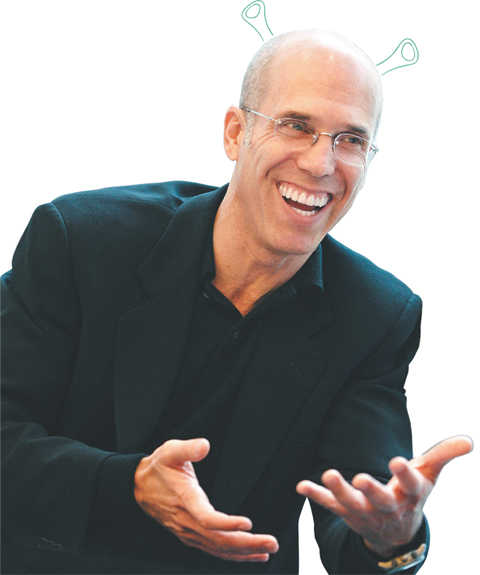
제프리 카젠버그(Katzenberg·사진·59) 드림웍스 애니메이션 대표는 예상보다 훨씬 마른 체구였다. 악수를 할 때 기자는 금방이라도 비틀어질 듯 얇고 가는 손을 보고 살짝 흠칫했다. 목소리는 카랑카랑했지만, 말을 꺼낼 때는 속도가 느리고 매우 신중했다. 그를 만난 서울 신라호텔의 어둑어둑한 조명과 어우러지니, 마치 수도승에게 가르침을 받는 듯한 엄숙한 분위기마저 감돌았다.

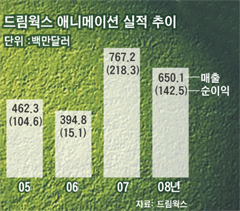
그 는 스티븐 스필버그(Spielberg), 데이비드 게펜(Geffen)과 함께 1994년 드림웍스(Dreamworks)를 창업, 매출 45억달러(애니메이션 부문은 6억 5000만달러)의 세계적인 영화·애니메이션 회사로 키워낸 콘텐츠 업계의 거인(巨人)이다. 제작자로서 그의 경력을 훑어보면, 그대로 세계 애니메이션계의 역사다. 그는 파라마운트, 디즈니, 드림웍스로 회사를 옮겨가며 '인어공주', '미녀와 야수', '알라딘', '라이온킹', '슈렉', '마다가스카' 같은 명작(名作)들을 쏟아냈다. 흥행도 물론 성공했다. 역대 애니메이션 흥행 순위 중 1위가 슈렉 2(8억8000만 달러), 3위가 슈렉 3(7억9000만달러)이다.

제프리 카젠버그(Katzenberg) 드림웍스 애니메이션 대표 /블룸버그뉴스

그의 인생 자체도 파란만장한 '스토리'다. 대학을 중퇴하고 정치판에 뛰어들어 사회생활을 시작하고, 23세에 파라마운트 사장을 만나 콘텐츠 산업에 뛰어들었으며, 세계적인 애니메이션 제작자로 성장했다.

그 러나 입지전적인 성공 신화를 써가던 1994년, 44세의 나이에 그는 갑작스러운 복수극의 주인공이 된다. 파라마운트에서 디즈니로 함께 옮겨 환상의 호흡을 과시하던 마이클 아이스너(Eisner) 당시 디즈니 회장과 균열이 생긴 것. 카젠버그는 당시 공석이 된 사장직을 원했지만, 아이스너 회장은 거절했다.

결국 카젠버그는 디즈니를 나와 드림웍스를 창립했다. 그 뒤 그는 스티브 잡스(Jobs)처럼 '쫓겨난 뒤 복수하는' 경영인으로서 성공의 길을 걸었다. 그는 '슈렉'을 선보이며 '디즈니스럽지 않은' 새로운 애니메이션의 전형을 탄생시켰다.

그에겐 "카리스마가 넘친다"는 표현이 따라다닌다. 천하의 스티브 잡스가 컴퓨터를 팔기 위해 카젠버그를 찾아갔다가 '협박' 당한 일화는 유명하다. 애플에 서 쫓겨나 '넥스트'라는 컴퓨터 회사를 창업한 잡스는 당시 디즈니에 있던 카젠버그에게 "이 컴퓨터가 앞으로 애니메이션의 미래가 될 것"이라고 말했다가 낭패를 치른다. 카젠버그는 이렇게 대꾸했다. "애니메이션은 '내 것'이야. 지금 자네가 하는 말은 내 딸과 데이트를 나가겠다는 소리처럼 들리는데, 이봐, 난 총을 갖고 있어. 내 것을 뺏어가려고 하면 총으로 네 놈의 거기를 날려 버리겠다고."

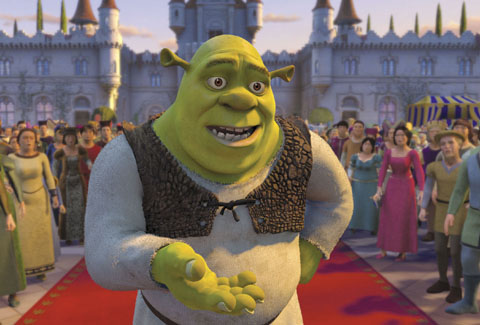
드림웍스 애니메이션의 대표작‘슈렉’의 한 장면 /블룸버그뉴스

카젠버그에게 정말로 '배울' 기회가 있다면, 사실 수백 시간도 부족할 것이다. 그러나 기자에게 허락된 인터뷰 시간은 1시간뿐이었다. 아쉬운 마음에 질문을 던졌다.

―인터뷰 시간을 늘릴 수 없나?

"어렵다. 스케줄이 너무 빡빡하다. 세계 각국을 돌며 내년도 드림웍스의 차기작과 관련해 배급 파트너들과 미팅을 해야 하기 때문에, 시간이 별로 없다."

―그럼 한국 말고 또 어디를 방문하나?

"한국을 떠나면 모스크바, 암스테르담, 스톡홀름, 프랑크푸르트, 마드리드, 로마, 파리, 런던을 들른다. (잠시 쉬고) 서울에 오기 전에는 멕시코시티, 리우데자네이루, 시드니, 싱가포르, 방갈로르, 캘커타, 도쿄를 들렀다. 이번 출장은 20일 정도인데, 96시간 동안 비행기를 탄다."

잠시 침묵이 흘렀다. 곧 그와 기자의 입에서 한숨이 동시에 터져나왔다. 카젠버그 대표가 웃으며 덧붙였다.

"계산해 보니 2008년 4월 1일부터 2009년 4월 1일까지 720시간 동안 비행기를 탔더라. 작년에는 평균적으로 1주에 약 15시간 비행기를 타고 있었던 셈이지."

기 자의 머릿속은 이제 '1시간 인터뷰라도 빨리 챙겨서 잘 해봐야겠다'는 생각으로 가득 찼다. 그가 콘텐츠 산업의 현재와 미래, 그리고 자신의 과거에 대해 이야기를 쏟아내는 동안, 1시간은 언제 흘러갔는지도 모르게 지나갔다. 그는 정말로 할 이야기가 많았다.

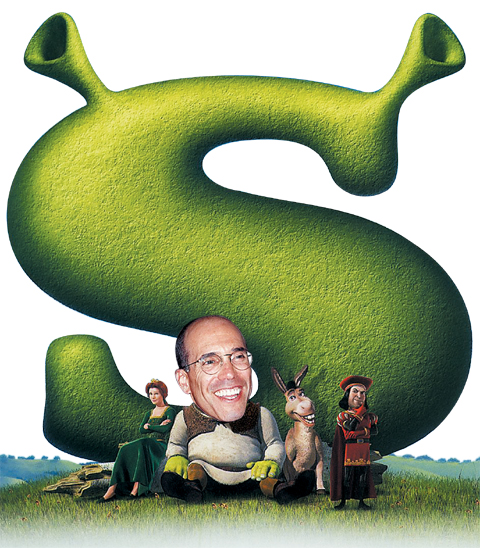
슈렉2와 제프리 카젠버그 드림웍스 사장.

카젠버그가 짧은 인터뷰 시간 동안 콘텐츠에 대해 강조한 것은 크게 세 가지였다. 첫째, 콘텐츠를 변화시킬 미래의 기술에 주목하라. 둘째, 무엇보다 스토리에 주목하라. 셋째, 항상 소비자를 상사(上司)로 모셔라.

그 는 특히 스토리텔링의 힘에 대해 거듭 강조했다. 예를 들어 한국 콘텐츠가 언어 장벽 때문에 해외 진출이 쉽지 않다고 하자 그는 이렇게 대답했다. "좋은 스토리라면 관객들은 반응한다. 당장 우리 영화도 46개국 언어로 번역되지 않는가?"

그러나 그는 사람들이 흔히 콘텐츠에 대해 품는 '환상'에는 차가운 반응을 보였다. 속된 말로 '까칠할' 정도였다. 그는 "콘텐츠 산업은 돈이 매우 많이 드는 산업이며, 한국이 세계적인 콘텐츠 기업을 키우려면 지갑이 두둑해야 할 것"이라고 말했다. 또 "실제로 세계적으로 성공한 콘텐츠 기업은 손에 꼽을 정도"라고 말했다. 한국 콘텐츠의 세계화를 꿈꿔온 많은 국내 관계자들이 새겨들어야 할 충고였다.

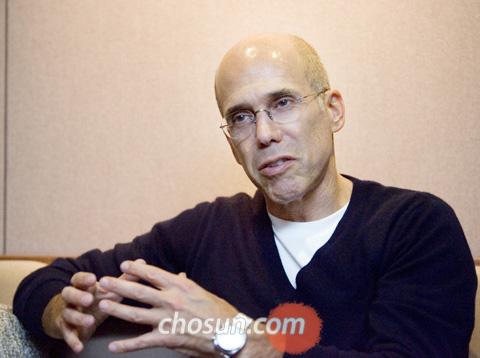
서울 장충동 신라호텔에서 제프리 카젠버그 드림웍스 애니메이션 최고경영자(CEO)가 애니메이션의 성공 비결에 대해 설명하고 있다. 그는 아침 4시에 일어나 6시에 업무를 시작하는‘일 중독자’로 유명하다. 일 처리 역시 정확한 수치를 꼼꼼하게 챙기는 스타일이다. 그에게 얼마나 바쁜지를 묻자“지난해 1주일에 평균 15시간씩 비행기를 탔으며, 이번 출장 중 96시간 동안 비행기를 탈 예정”이라는 대답이 돌아왔다. /이준헌 객원기자 heon@chosun.com

■"가장 위대한 협력은 그 안에 스스로 긴장을 갖고 있다"

―한국을 방문한 목적은?

"한국의 배급 파트너인 CJ와 내년 상영작에 대해 이야기를 하러 왔다. 내년에 3개를 출시할 예정이다. 내년 5월에 '용을 길들이는 방법(How to train your dragon)'을 처음 출시하고, '슈렉4-포에버 애프터(Shrek forever after)'가 여름에, 연말에 '우버마인드(oobermind)'가 출시된다."

―어떻게 다양한 인재들을 지속적으로 관리해서 창조적인 성과로 연결시키는가?

"뛰어난 리더십 팀을 갖고 있기에 가능하다."

―리더십 팀?

"애니메이션은 팀 스포츠와 같다. 1인 스포츠가 아니다. 위대한 축구팀은 다양한 포지션에 다양한 기술을 가진 선수들로 이뤄진다."

―말은 쉽지만, 뛰어난 선수들끼리도 갈등이 일어난다. 어떻게 조정하는가?

" 드림웍스는 대부분 오래 일한 사람들로 이뤄져 있다. (이런 조직에서) 때때로 더 일을 잘하기 위해 일어나는 갈등은 오히려 좋은 것이다. 최선의 성과를 찾으려다 보면 당연히 갈등이 일어나는데, 나는 이를 대립(conflict)보다는 마찰(friction)이라고 부르고 싶다. 가장 위대한 협력(collaboration)은 그 안에 스스로 긴장(tension)을 내포한다.

드림웍스 직원들은 서로간의 존중이 있고, 최고의 전문가와 함께 일한다는 자부심이 있다. 이런 경우의 협력은 쉽게 이뤄지지도, 쉽게 깨지지도 않는다. 스티븐 스필버그, 데이비드 게펜과 나의 협력을 보라. 15년 동안이나 깨지지 않고 이어지고 있지 않나? 우리는 서로를 신뢰하고 존중한다. 따라서 서로 다른 의견도 자유롭게 의논할 수 있다."

―세 사람은 그렇다고 치고, 드림웍스 직원들의 커뮤니케이션은 어떤가? 점점 기업의 커뮤니케이션은 어려워지고 있다.

" 기술을 도입해 극복하고 있다. 우리는 스튜디오가 세 곳에 있는데, 둘은 미국 캘리포니아에, 나머지 하나는 인도 방갈로르에 있다. 우리는 7~8년 전부터 이런 물리적인 제약을 극복하고, 화상 회의나 가상공간에서의 작업으로 함께 일할 수 있는 시스템을 갖췄다. 예를 들어 한 스튜디오에서 회의나 편집 작업이 시작되면, 다른 스튜디오의 직원들이 영상을 통해 접속하는 식이다. HP에서 구축한 '헤일로'라는 시스템을 이용한다.

스 튜디오도 물리적으로 소통이 쉽게 설계돼 있다. 각 영화는 350~400명의 인원으로 제작되는데, 여러 직무를 맡은 사람들이 쉽게 소통할 수 있도록 구조를 꾸몄다. 예를 들면 스토리텔링, 감독, 편집 파트에 각각 그림을 그리는 아티스트들이 배치되고, 전체적으로 원형을 이룬다. 그 중심에는 애니메이션, 특수 효과 등 다양한 분야의 리더들이 자리 잡는다."


■"기술은 스토리텔링에 녹아들 때 의미가 있다"

―향후 애니메이션을 모두 입체 영화로 제작하겠다고 선언 했다. 왜 입체 영화가 앞으로 중요할 것이라고 생각하는가?

" 이미 중요해졌다. 사람들은 입체 영화를 좋아한다. 박스 오피스를 보면 영화들이 이미 입체 영화로 제작되고, 입체 영화관에서 상영되고 있으며, 예전에 비해 훨씬 입체 영화의 질이 높다. 앞으로 6~9개월 내에 출시되는 입체 영화는 더욱더 좋아질 것이다. 이것은 시작에 불과하고, 곧 혁명으로 번질 것이다. 입체 영화는 소비자들이 (영상을) 보는 방식을 완전히 바꿀 것이다. 마치 위에서 쏟아져 내리는 폭포처럼, 처음에는 영화관에서, 다음에는 집으로, 그리고 광고판, 마지막으로는 기술적으로 가능한 모든 곳에서 입체 영상이 나타날 것이다. 향후 10년 안에, 우리가 자연스럽게 사물을 보는 것처럼, 자연스럽게 입체 영상을 받아들이게 될 것이다."

―기술과 콘텐츠의 질이 비례하는 것은 아니다.

"그것은 전적으로 스토리텔링에 달렸다. 기술을 어떻게 스토리텔링에 녹아들게 하는가의 문제겠지. 영화를 상영하거나 비디오 게임을 즐기는 행위는 소비자를 더 깊고 실감 나는 '체험'의 세계로 끌어들이는 것이다. 70년 전을 생각해보라. 컬러 영화가 도입됐을 때, 많은 사람은 색감이 스토리의 몰입을 방해한다고 생각했다. 하지만 곧 사람들은 컬러에 적응했다. 그리고 컬러는 영화 제작자들이 스토리를 표현하는 매우 강력한 방법 중 하나로 자연스럽게 자리 잡았다. 음향도 마찬가지다. 입체 영화도 그럴 것으로 생각한다. 입체 영화는 스토리텔링을 하는 공간을 획기적으로 확장시켜줄 것이다."

―인터넷은 콘텐츠에 어떤 영향을 미칠까? 예를 들면 불법 복제 콘텐츠의 범람이 성가시지는 않은가?

" 나는 일단 불법복제를 단속하는 사람은 아니다(웃음). 모든 지적 재산에 있어 불법 복제는 심각한 문제이지만, 그런 일을 하는 사람들이 따로 있으니까. 제작자의 입장에서 본다면, 인터넷은 소비자의 손에 좀 더 빠르고 편리하게 콘텐츠를 전달하는 강력한 도구이다. 물론 모든 강력한 도구들은 좋게도, 또는 나쁘게도 사용될 수 있다. 하지만 선악을 떠나서, 인터넷은 지난 10여년 동안 소비자들이 콘텐츠를 보고, 구매하는 방식을 완전히 바꿨다.

한 가지 다행스러운 것은 영화산업 종사자들이 기술을 포용하면서 기업가(entrepreneur)답게 대응하고 있다는 것이다. 적어도 음악산업보다는 그렇다. 영화산업 종사자들은 소비자에게 중요한 것이 무엇인지를 끊임없이 생각하고 다양한 방식으로 접근해왔다. 실제로 소비자들이 영화를 소비하는 방식은 굉장히 다양하다. 영화관에서 볼 수도 있고, DVD를 살 수도 있으며, 불과 1달러에 하루 종일 DVD를 빌릴 수도 있고, 디지털 영화를 온라인에서 보거나 다운로드 받을 수도 있다. 그러나 음악은 오랫동안 CD를 판매하는 방식에 집착해왔다. CD 한 장은 보통 16~18달러에 팔리는데, 이는 고객에게 굉장히 비싼 가격이다. 소비자는 결국 승리하기 마련이다. 실제로 기술이 발전하면서, 음악산업이 고수해온 나쁜 사업 모델은 무너지고 말았다."


■"소비자야말로 나의 보스"

―콘텐츠산업에서 소비자가 중요하다지만, 감독이나 배우 등 강력한 제작 스태프들이 시장을 주도하는 경우도 있다. 한국 시장도 그런 기미가 있고.

" (단호하게) 그렇지 않다. 콘텐츠가 성공적인지, 아닌지 결정하는 것은 결국은 소비자다. 소비자가 좋아하지 않는다면 콘텐츠 제작자가 성공할 수 있는가? 나는 물론 내 영화를 내 취향대로 만들고, 계속 내놓을 수 있다. 하지만 시간이 갈수록 소비자들이 내 영화를 찾지 않는다면, 나는 결국 파산할 것이다. 내가 말하고 싶은 것은, 우리는 영화 관객을 위해 영화를 만든다는 점이다. 그들이 우리 영화를 좋아하고, 충성하게 되면 결국 브랜드가 생기고, 가치가 생긴다. 고객 만족이야말로 우리 회사를 키운 동인(動因)이다. 물론 이것은 쉬운 과정은 아니다. 세계적으로 브랜드가 유명해진 영화 회사는 손에 꼽을 정도다. 그래도 나는 관객들을 위해 항상 영화를 만들어왔다. 우리 회사의 제작자나 감독들도 모두 그렇다. 우리의 상사(boss)는 영화 관객이다. 실제로 나는 영화 제작 과정에서 프리뷰(미리 보여주기)를 매우 신뢰한다. 관객들이 영화를 직접 보고, 자신들이 원했던 것이 실제로 영화에서 구현되는지 확인하는 과정이 매우 중요하기 때문이다."

―관객들은 어떻게 영화에서 브랜드를 느낄 수 있는가?

" 전적으로 영화 자체에 달렸다. 영화제작사 브랜드가 좋은 영화를 만들어주는 것이 아니다. 좋은 영화가 브랜드를 만드는 것이다. 몇 년 동안 우리 영화는 매우 잘 해왔고, 그 결과 일종의 기준을 만들었다. 사람들은 드림웍스 애니메이션 영화가 독특하다고 생각한다. 예를 들면 스토리가 복잡하고, 대(大) 스타들이 성우를 맡고, 코믹한 요소가 있고, 사회에 대해 풍자적이다. 그 결과 우리는 관객과 일종의 관계를 형성했다. 드림웍스 애니메이션 영화라고 하면, 어떤 영화가 나올 것이라는 관객들의 기대가 형성돼 있는 것이다."

―관객들이 드림웍스 애니메이션에서 느끼는 특징들은 드림웍스가 처음부터 의도한 것인가?

" 의도된 것이다. 물론 과정이 쉽지는 않았다. 시간도 꽤 오래 걸렸고, 실험도 많았다. 하지만 (스토리텔링에 대한) 연구개발(R&D) 기간을 거쳐 우리는 '슈렉'을 내놓았고, 그 이후로 모든 게 잘 풀렸다. 드림웍스 특유의 스토리 요소들이 슈렉에는 잘 녹아있다. 그리고 이후 우리는 그같은 특징을 충실히 답습했다."

―드림웍스만의 스토리텔링 요소를 연구하는 R&D 인력들이 따로 있는가?

"물론 스토리 개발팀이 있다. 어떤 순간에도, 드림웍스는 9~10개의 영화를 제작하고 있다. 그리고 8~10개의 영화를 개발 중이다."

―마치 공장 같다.

" 글쎄, 공장이라고 하면 좀 기계적인 느낌이고…. 알다시피 영화는 예술과 기술의 '결혼(結婚)'으로 태어난다. (공장의) 대량 생산 시스템처럼 예측에 딱딱 맞춰 생산되지는 않는다. 영화란 마치 강물이 흐르는 것처럼 흘러간다. 각 영화는 모두 스스로 생산되고 유통되고 소비되는 자신만의 경로가 있다. 어떤 영화들도 서로 똑같은 길을 걷지 않는다. 심지어 속편 시리즈물도 그렇다. 모든 영화는 특별하다."

―본인의 제작 작품 중 가장 스토리텔링이 좋았던 영화는 무엇인가?

"이야기했듯이, 관객에 물어보라(웃음)."

―관객들은 슈렉이라고 많이 할 것 같은데.

"아마도 세계 시장의 관객들에게 물어보면 그런 대답이 나올 수도 있겠지. 가장 성공적이었고, 드림웍스의 간판이 된 작품이다. 하지만 한국 시장에서는 '쿵푸 팬더'도 반응이 좋았다."


■"가장 좋은 스토리텔링은 우리 자신의 모습을 담는 것"

―슈렉이 그렇게 크게 성공한 까닭은 무엇인가?

" 아마도 우리 모두 마음속에 조금씩은 괴물(ogre)을 품고 있기 때문일 것이다(큰 웃음). 우리들은 모두 스스로 완전하지 못하다고 생각한다. 또 슈렉은 삶을 통해 긴 여행을 하고, 스스로를 사랑하는 법, 다른 사람을 사랑하는 법, 다른 사람이 자신을 사랑하도록 허락하는 법을 배운다. 이는 사람들이 인생에서 일반적으로 겪는 과정이고, 그래서 공감을 얻었던 것 같다. 그리고 이런 여정은 내년에 '슈렉4'에서 모두 통합될 큰 주제이기도 하다. 나는 개인적으로 슈렉4가 시리즈 중에서 가장 좋은 작품이 될 것으로 생각한다. '슈렉3'에서 슈렉은 많은 것을 얻었지만, 스스로 그 가치들에 대해 충분히 감사하지는 않았다. 그러나 슈렉4에서 슈렉은 그 모든 것을 잃고, 다시 얻기 위한 여정을 떠나게 된다. 그리고 그가 인연을 맺었던 아내, 친구, 이웃들이 얼마나 감사한 존재였는지 깨닫게 된다."

―풍자적인 요소가 가득한 기존 슈렉 시리즈를 감안하면 해피엔딩을 기대하지 않았던 관객들도 있었을 텐데?

" 반쯤 만들어진 상태로 얼마 전 시사회를 가졌는데, 줄거리를 예상하지 못했다는 관객들도 있었다. 고객들이 매우 놀라고 감동스러워 하는 반응을 보였다. 자신이 평소에 당연하게 여겼던 단순한 요소들이 실제로 얼마나 소중한 것인지를 깨닫는 과정은 매우 흡인력이 있다."

―가족이나 친구 같은 보편적인 가치를 담는 것이 스토리텔링에 큰 역할을 하는가?

"물론 그렇다. 가장 잘 만들어진 애니메이션이란 우리 스스로의 모습을 잘 투영시킨 작품이다."

―'애니메이션에서 스스로를 발견하게 하라', 이것이 애니메이션 스토리텔링의 성공 법칙인가?

"법칙(formula)까지는 될 수 없다. 하지만 기본적인 성공 요소(element)라고는 생각한다. 실제 세상과 애니메이션을 연관시키는 작업은 우리 비즈니스의 기본이다."

―또 다른 애니메이션 성공 요소를 꼽는다면?

" 여러 가지가 있다. 예를 들면 관객들을 그들이 경험해보지 못했던 다른 곳으로 데려가는 것도 중요한 요소 중 하나다. 관객들은 캐릭터에서 간접적으로 자신을 발견할 수 있어야 하지만, 애니메이션의 모든 캐릭터가 거울에 스스로를 비친 것처럼 똑같을 필요는 없다. 일종의 팩션(faction·사실과 허구를 혼합한 장르)이면 충분하다. 우리는 스토리를 만들 때 현실을 똑같이 재현하는 게 아니라, 스토리텔러의 상상을 토대로 현실을 창조해낸다. 쿵푸 팬더를 생각해보라. 쿵푸 팬더의 배경은 명확하게 중국의 팩션이다. 하지만 매우 많은 상상이 결합돼 있고, 매우 동화적이다.

또 하나의 중요한 요소는 대단한 악역(惡役)을 만드는 것이다. 쿵푸 팬더의 타이렁(쿵푸팬더의 호랑이 악역 캐릭터)을 생각해보라. 그는 매우 똑똑하고, 강력한 적이다. 주인공이 펼치는 여정 대부분에 관여한다. 그리고 주인공을 훈련시킨 사부가 역설적이게도 똑같이 타이렁을 훈련시켰고, 사실상 창조했다. '라이온킹'의 스카도 대단한 악역이다. 다음에 등장할 슈렉4의 악역도 매우 똑똑하고, 강력한 적이 될 것이다. 대단한 악역을 갖는 것은 애니메이션 성공의 중요한 요소다."


■"한국 영화, 스토리텔링에 집중하라"

―한국 영화를 최근 본 적이 있는가?

"사실 없다. 이번 일정 중에 '해운대'를 볼 예정이다. 큰 히트를 했다는데, 꼭 보고 싶다. 이야기했듯이 관객이야말로 우리의 보스니까. 그들이 왜 그렇게 열렬히 반응했는지 꼭 알고 싶다."

―한국 영화, 애니메이션 회사들이 세계적으로 성장하고자 노력하고 있지만, 쉽지는 않다. 어떤 전략을 추천하겠는가?

" 스토리텔링에 집중하라. 앞에서도 말했지만, 이 산업은 공장도 아니고 대량 생산 시스템도 아니다. 예술적인 표현과 훌륭한 스토리텔링이 중요한 산업이다. 물론 쉽지는 않다. 훌륭한 스토리텔링을 할 수 있는 작가를 찾아내고, 훌륭한 제작진을 붙여야 한다. 역사적으로 불과 몇몇 회사만이 성공한 산업이다. 애니메이션만 해도 디즈니와 픽사(디즈니와 같은 회사지만 스튜디오가 다르므로 따로 언급했다), 그리고 우리 정도다."

―한국 영화가 영어로 스토리 텔링을 하려면 쉽지 않을 것 같은데, 언어 장벽이 문제라고 생각하지는 않는가?

" 잘 모르겠다. 우리가 만든 영화도 한국어로 번역돼 한국에서 잘 상영되지 않는가? 드림웍스의 영화는 46개국 언어로 번역된다. 다만 현지화는 중요하다. 우리는 애니메이션 더빙 스튜디오를 한국에 갖고 있으며, 우리의 영화에 맞는 성우를 캐스팅해 적절하게 더빙한다. 단순히 번역하고 원작의 목소리를 흉내 내는 수준이 아니다. 실제로 더빙 감독이 (스튜디오에) 따로 있다. 그들은 원작의 느낌과 목소리 톤을 창조적으로 해석하려고 노력한다. 그래야 한국인에게 미국인들이 느꼈던 감동을 비슷하게 전달할 수 있다."

―한국 영화, 애니메이션 회사가 더빙이라는 한 부분에만 그런 투자를 하기란 쉽지 않다.

" 애니메이션 산업이란 매우 비싼 산업이다. 우리가 만드는 영화들은 그해에 만드는 영화 중 가장 비싼 영화 10위권에 항상 든다. 제작비만 한 편당 1억5000만 달러에서 2억 달러다. 엄청난 자본 투자가 필요하다. 항상 든든한 지갑(deep pocket)을 준비해 두는 것은 글로벌 콘텐츠 회사로 성장하는 데 필수적인 요소다."


◆제프리 카젠버그는…


미국 영화산업에서 가장 영향력 있는 인물 중 한 사람. 그가 디즈니를 관두고 나와 스티븐 스필버그, 데이비드 게펜과 함께 창립한 드림웍스는 '슈렉' 시리즈의 대성공과 함께 디즈니-픽사 연합군의 거의 유일한 경쟁자가 됐다.

그 가 현재 대표로 있는 드림웍스 애니메이션은 2004년 드림웍스에서 분사했으며, 창립 이래 그가 계속 최고경영자를 맡고 있다. 모회사인 드림웍스는 2005년 파라마운트에 매각됐지만, 드림웍스 애니메이션은 독립 업체로 남아있다. 2007년말 기준으로 직원 수는 1450명이다.

그는 1950년 뉴욕에서 주식중개인 아버지와 태피스트리 미술가인 어머니 사이에서 태어났다. 뉴욕대에 입학했다가 2학년 때 중퇴하고, 대통령 선거판에서 일했으며, 1973년 파라마운트에 입사하면서 영화판에 발을 디딘다.

그 와 디즈니에서 함께 일했던 인사는 "카젠버그는 별로 아는 게 없다. 하지만 그는 뭐든지 금방 배우는 사람이다"라고 말했다. 그는 영화나 애니메이션도 정식 교육을 받지 않았지만, 오로지 현장에서 익힌 지식으로 숱한 명작을 내놓았다. 디즈니 시절 '누가 로저래빗을 모함했나'(1988), '인어공주'(1989), '라이온킹'(1994)을 내놓아 디즈니가 애니메이션 왕국으로서의 지위를 되찾는 데 결정적으로 기여했으며, 뒤에 디즈니가 픽사와 미라맥스를 인수하는 데도 중심적인 역할을 했다.

2009년 10월 23일 금요일

MIT professors

photo: Raskar Ramesh Raskar, Camera Culture
How to create new ways to capture and share our visual information.


photo: Resnick Mitchel Resnick, Lifelong Kindergarten
How to engage people in creative learning experiences.


photo: Bove V. Michael Bove, Jr., Object-Based Media
How to create communication systems that gain an understanding of the content they carry and use it to make richer connections among users.


photo: Machover Tod Machover, Opera of the Future
How musical composition, performance, and instrumentation can lead to innovative forms of expression, learning, and health.


photo: Breazeal Cynthia Breazeal, Personal Robots
How to build social robots that interact, collaborate, and learn with people as partners.


photo: Paradiso Joseph Paradiso, Responsive Environments
How sensor networks augment and mediate human experience, interaction, and perception.


photo: Paradiso William J. Mitchell, Smart Cities
How buildings and cities can become more intelligently responsive to the needs and desires of their inhabitants.


The overall mission of the Center is to explore the convergence between art and technology—particularly as related to creative expression through story forms—in ways that elevate the human experience.

To achieve this overall goal, storytelling-related activities of the CFS will address a set of macro themes:

  • Experience: developing a new narrative language that is a combination of audio, video, and computation, and supporting transmedia, where the story world is accessible across many media forms (e.g., theatrical, broadcast, on-line, mobile, and new forms to be invented)
  • Community: building participatory environments in which communities (both pre-existing and dynamically created) can co-create and share their stories in a social and possibly mobile and pervasive manner
  • Capture/Craft: developing new devices for capturing performance and the world, and for creating new tools and technologies for designing worlds and the experiences that take place in those worlds
  • Creativity/Expression: empowering individuals—from novice to expert—through accessible tool kits, new on-line approaches to mentoring and co-construction, and environments designed to support distribution and sharing; developing tools and techniques to support the balance of control and interaction between storyteller and audience to sustain a high-quality experience
  • Engagement/Learning: creating sharing platforms for cross-cultural understanding, supporting learning through engagement with story-based experiences, and enabling mentoring communities that overcome traditional communication barriers
  • Forms/Medium: creating a positive engagement for a fragmented audience, developing and extending displays and interaction means, creating intelligent characters both virtual and physical (e.g., robots)

Particularly in the early phases of the collaboration between Plymouth Rock Studios and the Media Laboratory, technologies for the studio campus itself (relating, for instance, to sustainability and communications) will also make up a significant part of the activities of the Center.


MIT NEWS

Media Lab creates Center for Future Storytelling

Teams up with Plymouth Rock Studios to reinvent the movies


The MIT Media Laboratory today announced the creation of the Center for Future Storytelling, made possible through a seven-year, $25 million commitment from Plymouth Rock Studios, a major motion picture and television studio that is expected to open in 2010 in Plymouth, Mass.

With the establishment of the center, whose research program begins immediately, the Media Lab and Plymouth Rock Studios will collaborate to revolutionize how we tell our stories, from major motion pictures to peer-to-peer multimedia sharing. By applying leading-edge technologies to make stories more interactive, improvisational and social, researchers will seek to transform audiences into active participants in the storytelling process, bridging the real and virtual worlds, and allowing everyone to make their own unique stories with user-generated content on the Web. Center research will also focus on ways to revolutionize imaging and display technologies, including developing next-generation cameras and programmable studios, making movie production more versatile and economic.

"Storytelling is at the very root of what makes us uniquely human," said Frank Moss, Media Lab director and holder of the Jerome Wiesner Professorship of Media Arts and Sciences. "It is how we share our experiences, learn from our past, and imagine our future. But how we tell our stories depends on another uniquely human characteristic -- our ability to invent and harness technology. From the printing press to the Internet, technology has given people new ways to tell their stories, allowing them to reach new levels of creativity and personal fulfillment. The shared vision of the MIT Media Lab and Plymouth Rock Studios allows us to take the next quantum leap in storytelling, empowering ordinary people to connect in extraordinary ways."

"This is a great opportunity to draw on the exceptional intelligence and innovation for which the Media Lab is known worldwide," said David Kirkpatrick, chairman and executive managing officer of Plymouth Rock Studios and former president of Paramount's Motion Picture Group. "Plymouth Rock Studios was conceived as a source for innovation and as a proving ground for new storytelling technologies. This collaboration will transform the movie-making model, and erase some of the technology barriers that constrain the narrative form."

The Center for Future Storytelling will be co-directed by three Media Lab principal investigators: V. Michael Bove Jr., an expert in object-based media and interactive television; LG Associate Professor Cynthia Breazeal, a leader in the field of personal robots and human-robot interaction; and Associate Professor Ramesh Raskar, a pioneer in the development of new imaging, display and performance-capture technologies.

Research will range from on-set motion capture to accurately and unobtrusively merge human performers and digital character models; to next-generation synthetic performer technologies, such as richly interactive, highly expressive robotic or animated characters; to cameras that will spawn entirely new visual art forms; to morphable movie studios, where one studio can be turned into many through advanced visual imaging techniques; to holographic TV. It will draw on technologies pioneered at the Media Lab, such as digital systems that understand people at an emotional level, or cameras capable of capturing the intent of the storyteller.

"We see this as an experiment in collaborative education, but also as a bold adventure in business innovation that could have significance well beyond the motion picture industry," Moss said.

A version of this article appeared in MIT Tech Talk on November 19, 2008 (download PDF).


multimedia

David Kirkpatrick, Plymouth Rock Studios, Cynthia Breazeal, Frank Moss, MIT Media Lab, personal robots, Nexi

David Kirkpatrick (left), Chairman of Plymouth Rock Studios, Cynthia Breazeal, co-director of Media Lab's Center for Future Storytelling, and Frank Moss, director of the MIT Media Lab, with Nexi, a mobile, dexterous social robot developed by Breazeal's Personal Robots research group.
Credits - Photo / Sam Ogden

links

http://cfs.media.mit.edu/
http://plymouthrockstudios.com/centerforfuturestorytelling/
http://www.media.mit.edu/research/center-future-storytelling
http://movies.nytimes.com/person/175228/David-Kirkpatrick/filmography
http://www.nytimes.com/2008/11/18/movies/18story.html?_r=1
http://www.gensler.com/#viewpoint/videos/1